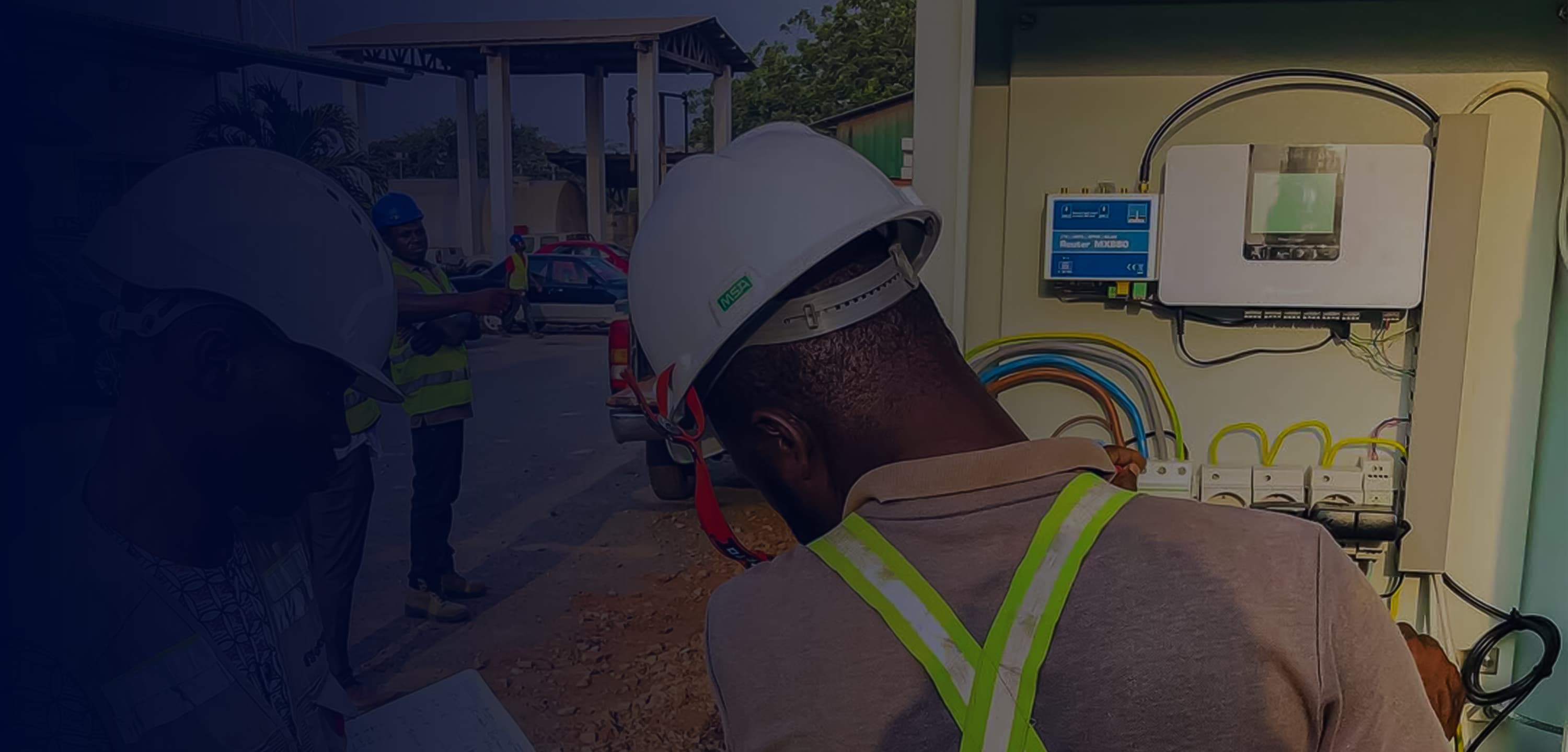
Electrical safety testing is essential for any system or facility that operates using electricity. Regulatory bodies and safety authorities worldwide require strict compliance to ensure that electrical installations operate safely and do not pose risks to people, property, or equipment.
Earth ground testing verifies that the resistance between the grounding system and the earth is within acceptable limits. Inadequate grounding significantly increases the risk of equipment damage, electric shock, fire, and failure of protective devices.
Importance of Proper Grounding
A properly designed and maintained grounding system provides a safe path for fault current, lightning strikes, and overvoltage conditions to dissipate into the earth. Without effective grounding, dangerous voltages may appear on exposed metal parts, putting lives and assets at risk.
Environmental conditions such as high soil moisture, elevated temperatures, and corrosive or saline soils—common in many regions of Ghana—can degrade ground electrodes and connections over time. As a result, ground resistance can increase even if the system initially met design requirements.
Why Earth Ground Resistance Testing Is Necessary
Ground resistance must be measured when an earthing system is first installed and periodically thereafter to confirm that resistance values remain within safe limits. Regular testing ensures that deterioration of ground rods or connections is identified before it becomes a safety hazard.
International best practices recommend routine earth testing as part of a preventive maintenance program. If resistance values increase significantly—typically more than 20 percent—corrective action is required to restore safe grounding performance.
Applicable Standards and Safety Requirements
MS-Plus Ltd conducts earth ground testing in alignment with internationally recognized standards, including BS 7671 (IET Wiring Regulations) and other applicable IEC and industry guidelines. Specific facilities such as laboratories often require earth resistance values below 1 ohm and earth-to-neutral voltages below 1 volt.
Earth Ground Testing Methods
MS-Plus Ltd employs multiple testing methods depending on site conditions, system configuration, and operational constraints. All methods utilize reference ground points and controlled current injection to achieve accurate measurements.
Soil Resistivity Testing
Soil resistivity testing measures the electrical resistivity of soil and is expressed in ohm-meters. This test is essential during the design phase of new installations to determine the most effective grounding system configuration required to meet target resistance values.
Fall-of-Potential Testing
The fall-of-potential method measures the ability of a grounding system or individual electrode to dissipate fault energy. This test involves placing auxiliary electrodes in a straight line away from the electrode under test, typically at sufficient spacing to ensure accurate results. The grounding electrode must be isolated during testing.
Ground Impedance Measurement
Ground impedance testing is used in high-voltage or high-current environments where inductive and capacitive elements influence fault current behavior. This method allows testing on live systems by using induced signals without disconnecting the grounding system.
Selective Measurement Testing
Selective testing provides the same accuracy as fall-of-potential testing but without disconnecting the grounding conductor. This method improves safety and avoids disruption to operational facilities while still delivering reliable results.
Clamp-On Ground Testing
Clamp-on testing applies a known signal and measures resulting current flow using a specialized clamp meter. This method enables quick assessment of grounding systems without direct electrical connection and is ideal for routine inspections.
Typical Applications for Earth Ground Testing
• Telecommunications towers and cellular sites
• Electrical substations and power plants
• Industrial and commercial facilities
• Lightning protection systems
• Remote switching and control installations
Commitment to Safety and Compliance
MS-Plus Ltd conducts all earth ground testing with a strong focus on safety, accuracy, and compliance. Detailed reports are provided after testing, documenting resistance values, compliance status, and recommendations for corrective action where required.
Contact MS-Plus Ltd
Protect lives, equipment, and operations by ensuring your grounding system is effective and compliant. Contact MS-Plus Ltd for professional Earth Ground Resistance Testing services across Ghana.