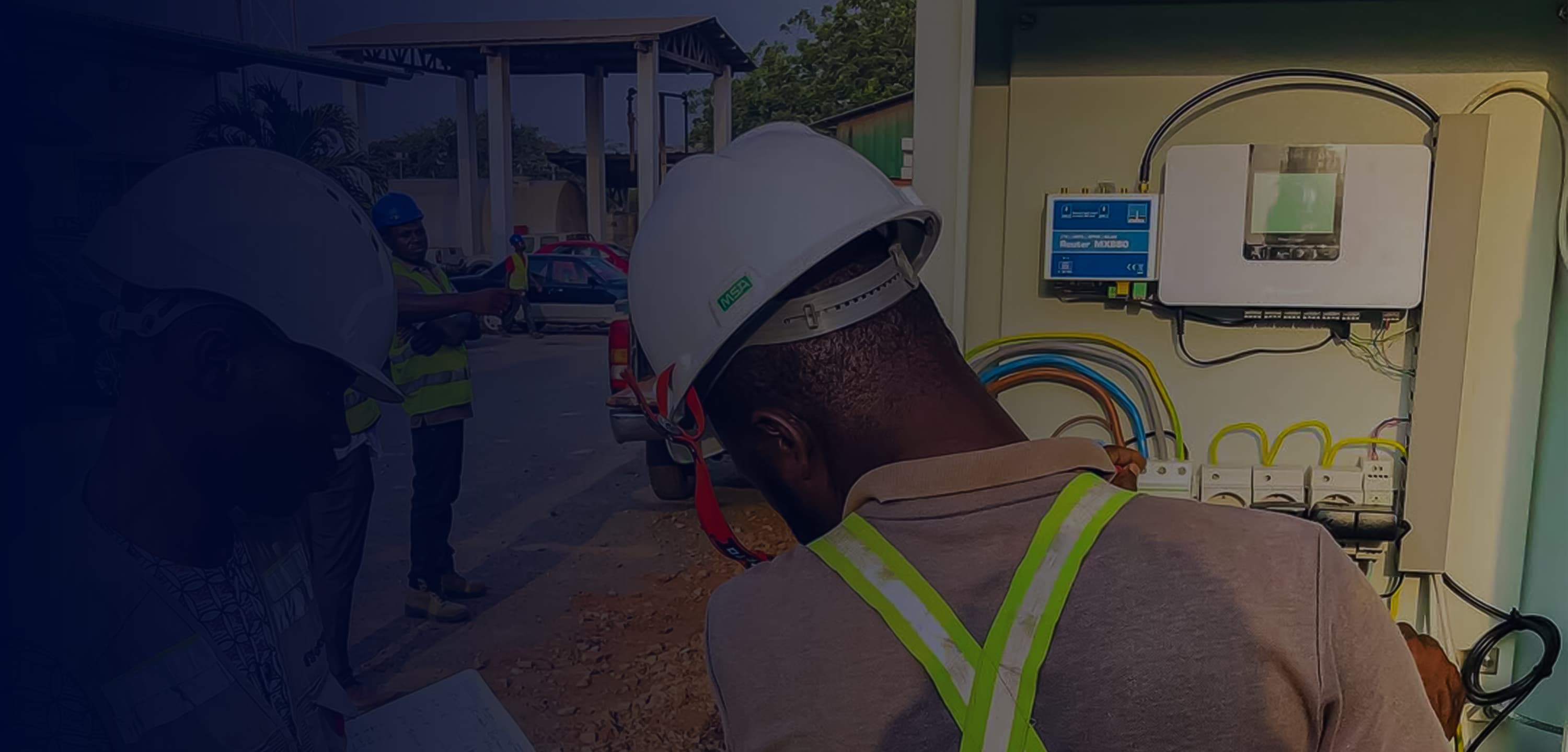
Electrical Safety is an on-going conversation. In process industries, fires due to electrical reasons are very probable, especially in industries that handle flammable chemicals. In service industries such as information technology, telecommunications, banking and other commercial establishments, business interruption losses could be due to electrical hazards.
Trained professionals will examine your arc flash study, training programs, documentation, and PPE to ensure your electrical safety program is up to date, compliant, and comprehensive. Document safety measures for OSHA audits and compliance and adhere to the latest NFPA 70E standard.
Benefits Of Electrical Safety Audit
Compliance with regulations. Increased levels of safety. More efficient use of resources. Clarification of electrical safety responsibilities. Electrical equipment is required to be maintained to avoid danger and allow continued use. Identification and elimination of safety hazards. Ensuring longevity of expensive electronic equipment like computers and other machines. Development of a dynamic record of safety performance. Creation of a positive cycle of safety improvement. Ensuring compliance with regulatory and industry safety-related best practices.
Why Electrical Safety Audits (ESA) Are Necessary
Identifying potential electrical hazards to prevent or minimize loss of life and property is taken seriously by industries worldwide. General safety auditing is common, whereas ESA is specialized and still being understood. Around 8% of factory fatalities are due to electricity. Data from NFPA shows nearly one fourth of all fires are caused by electrical installations. Major incidents indicate nearly 40% of fires are initiated by electrical causes such as short circuits, overloading, and loose connections.
Comprehensive electrical safety audits provide a thorough review of the electrical system, identifying potential hazards, design flaws, and maintenance issues.
Electrical Safety Audit Service Areas
Electrical Safety Audit can be broadly classified into three major areas: Pre-Audit, Audit, and Post-Audit.
Pre-Safety Electrical Audit
An effective ESA program includes competent audit team formation, pre-audit briefing, collection and review of relevant information (preventive maintenance documentation, accident reports, electrical inspector's reports, history cards), discussion with safety & electrical officers, plant visit, and consolidation to top management.
Defining the scope of the ESA based on specific requirements is the first step. Typical ESA scope includes: physical inspection of areas, reviewing protection devices, adequacy of cables and motors, review of electrical accidents, reviewing the EPM program, identifying training needs, evaluating the earthing system, reviewing test records, evaluating fire hazards, and identifying ESD hazards.
The pre-audit questionnaire should cover process details, electrical single line diagram, equipment nameplate details, classified zones, flammable chemicals handled, electrical accidents, plant expansion, and overview of the electrical maintenance system.
Audit Preparation / Reference
The questionnaire is a vital tool for successful inspection. Checklists should reference statutory regulations and non-statutory standards. Grouping by compliance, electrical hazards, training, earthing, preventive maintenance, electrical tests, and protection systems improves the audit effectiveness.
Electrical Safety Auditing
The field/plant visit is the most important part of the ESA. Inspect incoming electrical supply, main sub-station, PCCs/MCCs, cable galleries, and process section equipment. Check earthing, lightning protection, loose cabling, temporary wiring, fire hazards, and shock potential.
Review of Documentation / Records
After field visits, examine maintenance documentation, test records, inspector reports, OEM manuals, history cards, and electrical drawings. Compare records to actual installations and ensure compliance with applicable standards.
Post Electrical Safety Audit
Management Abstract: Summarizes salient observations and recommendations, highlighting hazards and critical issues for management action.
Introduction: Contains ESA scope, exclusions, audit team details, client officials contacted, methodology, duration, client safety system summary, training strategy, accident prevention program, and management commitment.
Overview of Electrical System: Details power supply, distribution, critical installations, equipment nameplate details, recent changes, captive generation, and future expansion plans.
Specific Observations and Recommendations: Area/plant-wise observations, checklist-based, referencing relevant standards.
Lightning Protection System Evaluation: Review existing system per IS:2309 and NFPA 780, evaluate maintenance, and calculate risk factors if required.
Electro-Static Hazards - Control Measures: Identify potential ESD hazards, provide solutions, educate clients on fire/explosion risks, equi-potential bonding, and earthing requirements.
Hazardous Areas – Observations and Recommendations: Critically evaluate hazardous areas, ensure proper equipment installation, zone classification, and accident prevention measures.
Safety audits are an important part of a company's control system. They do not remove management responsibility for ongoing checks and ensuring safe practices at all levels of operation.