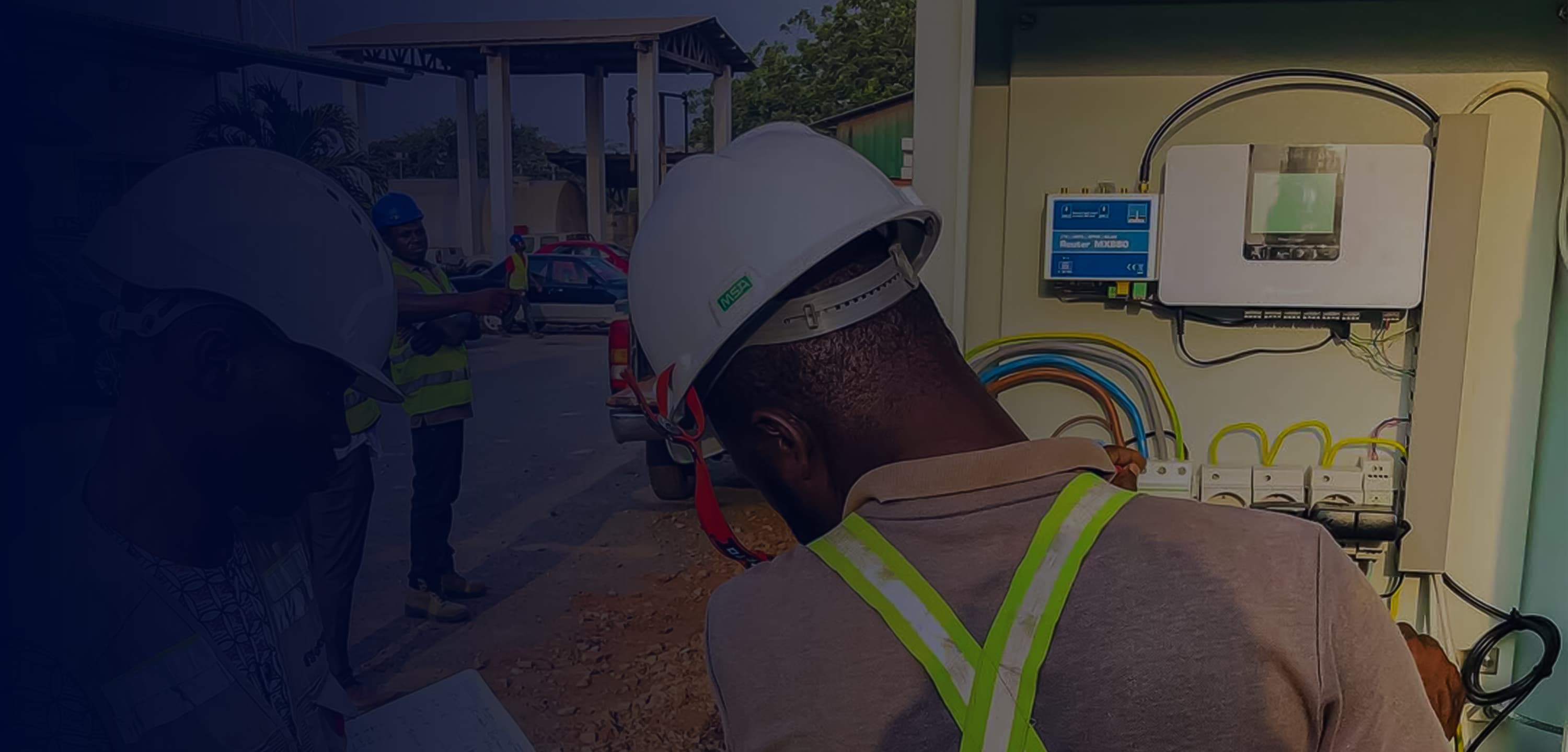
Infrared thermography, also known as thermal imaging, detects and visualizes heat emitted by objects. By capturing temperature variations, it identifies hot spots that indicate potential problems in electrical circuits, mechanical systems, or building structures.
Applications of Infrared Thermography
Common applications include electrical, mechanical, building inspections, energy audits, and predictive maintenance.
Why Infrared Thermography is Done
Infrared thermography helps detect failures early, reduces downtime, increases safety, and saves costs by optimizing maintenance.
How Infrared Thermography is Performed
A thermal camera captures infrared radiation from equipment or structures. Thermograms highlight temperature differences, allowing inspections on live systems without interrupting operations.
Benefits of Infrared Thermography
Non-contact testing, real-time detection of heat anomalies, early problem identification, supports preventive maintenance, reduces downtime and costs.