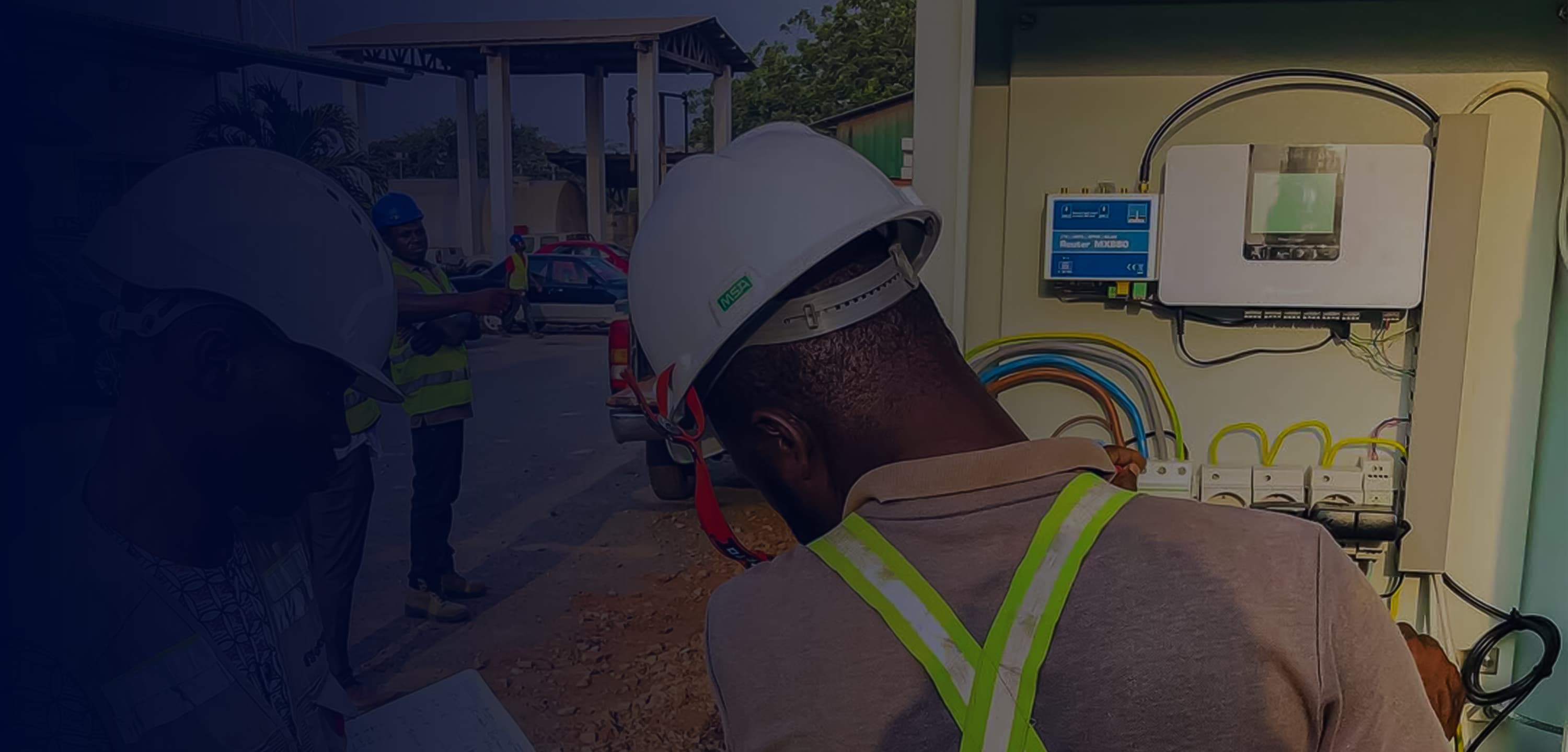
Portable Appliance Testing (PAT), formally known as in-service inspection and testing of electrical equipment, is the systematic examination of portable electrical appliances to confirm they are safe for continued use. MS-Plus Ltd delivers PAT services with safety as the highest priority, ensuring protection for users, property, and business operations.
Most electrical safety defects can be identified through careful visual inspection; however, certain faults can only be detected through electrical testing. For this reason, PAT always combines visual examination with appropriate electrical tests to achieve a reliable safety assessment.
Why Portable Appliance Testing Is Required
The primary driver for PAT is duty of care and liability. Employers, facility owners, and operators of public spaces are responsible for ensuring that electrical equipment accessible to employees or the public is maintained in a safe condition.
- Compliance with electrical safety and workplace regulations
- Reduction of fire and electric shock risks
- Fulfilment of insurance and audit requirements
- Support for health, safety, and quality management systems
- Demonstration of due diligence during inspections
What Is Covered Under PAT
Any appliance fitted with a plug and intended to be connected to a wall socket or generator requires PAT. This includes office equipment, tools, catering appliances, IT equipment, and extension leads.
Cordless tools themselves do not require PAT; however, their battery chargers must be tested. Power cords are tested separately from the equipment they supply, as they are assessed against different safety criteria.
PAT Inspection Frequency
The frequency of inspection and testing depends on the type of equipment, its usage, and the environment. Equipment exposed to harsh conditions or frequent handling requires more regular testing than stationary appliances in low-risk environments.
- High-use equipment requires more frequent testing
- Handheld tools present higher risk than fixed appliances
- Class I appliances require closer monitoring than Class II
- Prompt reporting of damage can extend testing intervals
How MS-Plus Ltd Conducts PAT
PAT begins with a detailed visual examination, which is essential and cannot be replaced by electrical testing alone. This inspection identifies visible damage such as frayed cables, cracked plugs, loose connections, or signs of overheating.
Depending on the risk level, inspections fall into three categories: user checks, formal visual inspections, and combined visual and electrical testing carried out by a competent person.
Electrical Tests Performed
- Earth continuity testing for Class I equipment
- Insulation resistance testing using appropriate DC test voltages
- Differential leakage current measurement
- Leakage current testing at rated voltage
- Operational load and functional testing
- Polarity verification where applicable
For sensitive electronic equipment, alternative low-voltage or leakage-based tests are used to prevent damage while still ensuring safety compliance.
Specialised Tests
Flash or dielectric testing is performed only on repaired equipment where required. This high-voltage test is not normally applied during routine in-service testing due to its potentially destructive nature.
Labelling and Asset Identification
All tested equipment is clearly labelled with a unique identifier, test date, re-test date, and pass or fail status. Failed equipment is prominently marked and isolated to prevent accidental use.
Documentation and Reporting
MS-Plus Ltd maintains comprehensive records for all PAT activities, including asset registers, inspection results, fault logs, and repair histories. Documentation may be provided in electronic or printed format to support audits and compliance verification.
Upon completion of testing, clients receive a detailed report and safety certification. Each passing appliance is labelled accordingly, while failed items are clearly identified, recorded, and communicated to designated personnel.
Commitment to Safety at All Cost
Using modern test equipment and trained technicians, MS-Plus Ltd delivers consistent PAT services across Ghana. Our processes are designed to minimise risk, protect lives and assets, and ensure that electrical safety is never compromised.