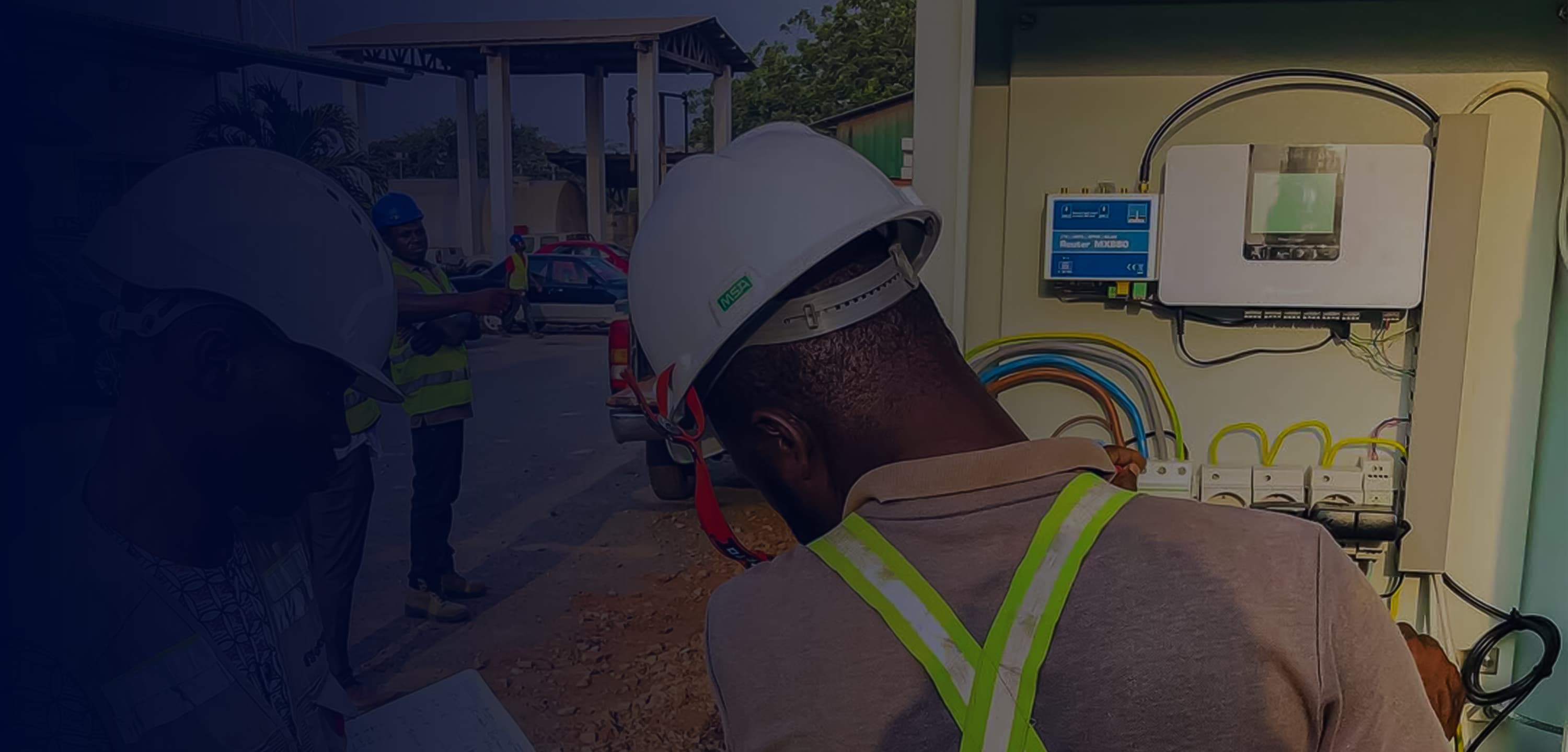
Protective devices are critical components of electrical power systems. Their function is to detect abnormal or unsafe operating conditions and initiate corrective actions to isolate faults and minimise damage. Typical protective devices include lightning arresters, surge protection devices, fuses, protective relays, and circuit breakers.
Power system disturbances may arise from natural events such as lightning, environmental factors like falling trees or animal contact, human activities including maintenance errors, or internal system conditions such as switching surges, load fluctuations, or equipment failure. The correct application and testing of protective devices is therefore essential to maintain system reliability, safeguard people, and limit damage to electrical assets.
Purpose of Protective Device Testing
Protection systems play a vital role in the safe and reliable operation of modern electrical networks. Regular testing confirms that protective devices operate as intended throughout their service life, from commissioning through routine maintenance. Properly functioning protection equipment helps prevent extended outages, equipment damage, and safety incidents.
MS-Plus Ltd utilises advanced testing equipment and proven methodologies to assess protection devices at all stages of their life cycle. Our testing solutions are designed to meet the increasing technical complexity of today's electrical systems while supporting compliance with applicable standards and best practices.
Protective Device Testing Methodology
Effective testing requires a clear understanding of the operation and application of fuses, relays, breakers, trip units, and surge protection devices. Tests are conducted on the actual in-service logic and operating paths of the devices to ensure accurate verification of performance.
Low-Voltage Circuit Breakers
Low-voltage breakers fitted with solid-state trip units may be tested using secondary or primary current injection techniques. Secondary injection testing verifies trip unit operation without applying primary current and is performed with the breaker de-energised.
Primary current injection testing is preferred where practical, as it validates sensors, wiring, and the current path through the breaker. Where possible, three-phase primary injection testing is conducted to fully assess breaker performance. All testing is carried out in accordance with manufacturer recommendations and recognised industry standards.
Protective Relays
Protective relays are automatic devices that detect abnormal electrical conditions and initiate actions such as tripping or alarm activation. MS-Plus Ltd conducts detailed testing of various relay types to confirm correct pickup, timing, directionality, and reset behaviour.
- Contact function testing to verify correct tripping, blocking, or reclosing actions
- Pickup testing to confirm operation within specified limits
- Dropout and reset testing to identify excessive friction or mechanical issues
Directional and Power Relays
Directional relays use the phase relationship between voltage and current to determine fault direction. In-phase pickup tests are commonly applied to confirm relay sensitivity, with results evaluated carefully due to variations from the angle of maximum torque.
Voltage Relays
Voltage relay testing is performed using secondary injection methods. Tests include verification of auxiliary supply levels, pickup voltage measurement, and tripping time assessment against the relay's characteristic curves.
Differential Relays
Differential relays are highly sensitive devices and require specialised testing procedures. Minimum pickup values, slope characteristics, and harmonic restraint functions are verified. To ensure meaningful maintenance results, initial pickup readings are disregarded in favour of repeat measurements for comparison with historical data.
Fuses
Fuses provide reliable protection against overcurrent, overloads, and short circuits. Testing confirms fuse continuity by passing a low current through the fuse. A lack of continuity indicates that the fuse has operated and requires replacement.
Motor Management and Protection Systems
Modern motor protection systems utilise microprocessor-based technology for advanced monitoring and protection. MS-Plus Ltd applies structured testing approaches, including element testing, functional testing, and black-box testing, to validate system performance.
Dynamic testing software is used to simulate operating states such as pre-fault, fault, and post-fault conditions. Regardless of the testing approach selected, comprehensive documentation is maintained to support operational reliability and compliance requirements.
Benefits of Protective Device Testing by MS-Plus Ltd
- Improved system safety and reliability
- Early detection of protection system failures
- Optimised return on investment for protection assets
- Reduced downtime through accurate fault detection
- Standardised testing procedures and reporting
- Automated test routines that reduce operator workload
- Clear pass/fail results and detailed test documentation
- Seamless integration with existing test facilities
Through disciplined testing, accurate measurement, and reliable documentation, MS-Plus Ltd supports clients across Ghana in maintaining robust, dependable, and safe electrical protection systems.