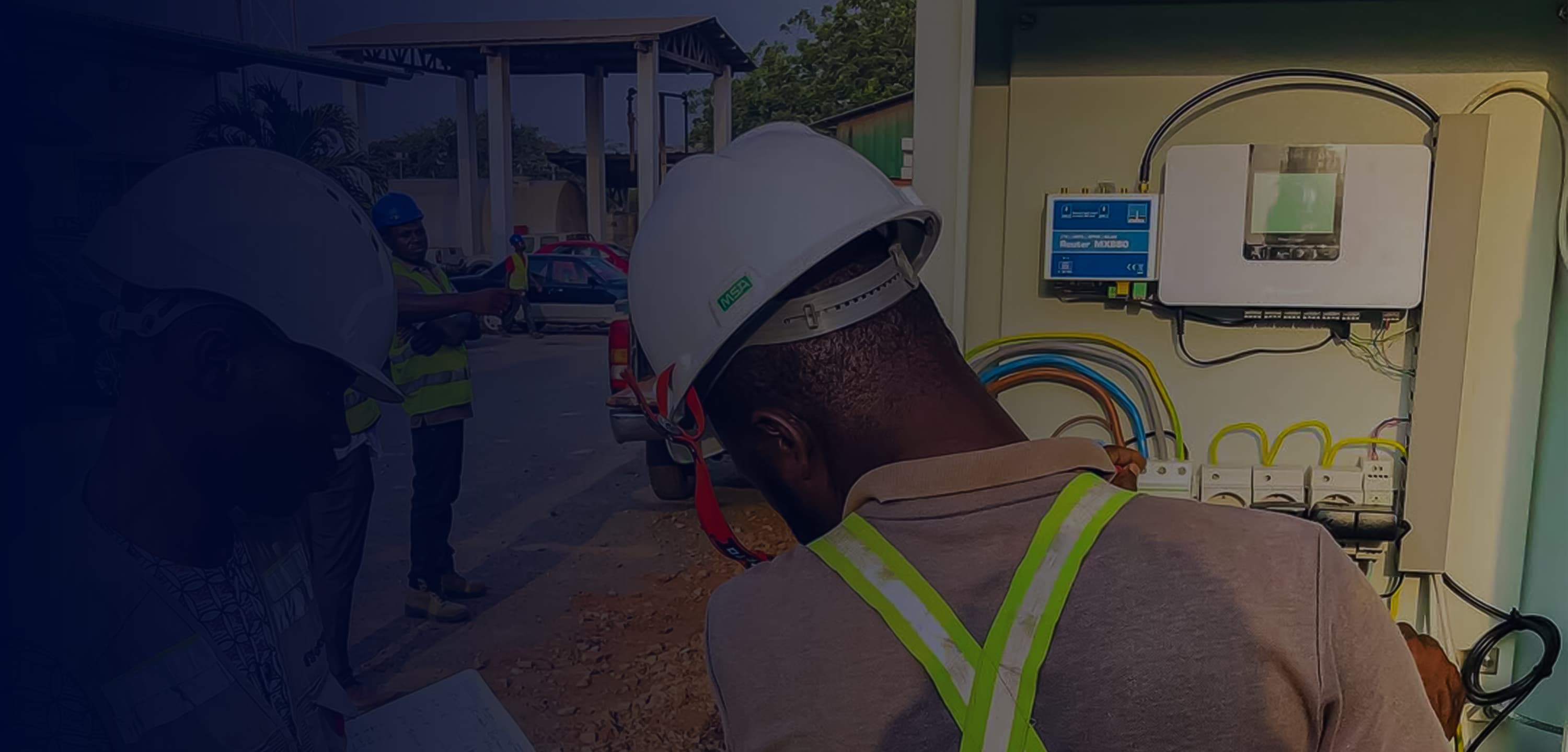
Contact Resistance Testing, commonly referred to as Ductor Testing, is a specialized electrical diagnostic service used to measure the resistance of current-carrying connections such as cable terminations, busbar joints, connectors, and switchgear contacts. Maintaining low contact resistance is critical to preventing overheating, energy losses, equipment failure, and fire hazards.
Overview of Contact Resistance Testing
This test measures extremely low resistance values at the micro-ohm or milli-ohm level using precision instruments known as micro-ohmmeters or ductor testers. A controlled direct current is injected through the connection while the voltage drop is measured to accurately calculate resistance.
Ductor testers are available in multiple configurations, including micro-ohmmeters, milli-ohmmeters, DLRO (Digital Low Resistance Ohm Meters), and static resistance testers. These instruments are designed to detect connection defects that are often invisible during routine visual inspections.
Why Contact Resistance Testing Is Critical
Electrical contacts in circuit breakers, isolators, and switchgear must be periodically assessed to ensure safe operation. Elevated contact resistance can result in localized heating, voltage drop, phase imbalance, arcing, and increased fire risk.
This testing is particularly important in high-current installations such as substations, industrial plants, and distribution boards, where even minor resistance increases can significantly reduce current-carrying capacity and compromise system safety.
Testing Activities Performed
MS-Plus Ltd conducts a comprehensive assessment combining visual and electrical evaluations to confirm contact integrity:
• Visual examination of contact surfaces for wear, pitting, deformation, and arcing marks
• Injection of a high DC test current, typically 100 A to 300 A, depending on equipment rating
• Measurement of voltage drop across the contact and calculation of resistance values
• Comparison of results against manufacturer limits and previous test records for trending analysis
Both inspection results and resistance measurements must meet acceptance criteria before contacts are considered fit for service.
Common Applications
Contact resistance testing is widely used across electrical and mechanical systems, including:
• Switchgear, circuit breakers, transformers, busbars, and cable joints
• Electrical panels, relays, and control equipment
• Mechanical assemblies where metal-to-metal contact quality affects reliability and conductivity
Testing Method – Four-Wire Kelvin Technique
MS-Plus Ltd applies the four-wire (Kelvin) measurement method, which separates current injection and voltage sensing paths. This approach eliminates errors caused by test lead resistance and ensures highly accurate and repeatable readings.
Modern micro-ohmmeters compensate for thermal electromotive forces generated by dissimilar metals, using polarity reversal and averaging methods to improve measurement accuracy.
Where necessary, higher test currents are applied to overcome oxidation or surface contamination that may distort low-current measurements.
Acceptance Criteria and Standards
Acceptable contact resistance values vary depending on connection type, surface condition, contact pressure, and manufacturer design. Test results are evaluated strictly against equipment manufacturer specifications and trended over time to identify deterioration.
Industry-recognized testing practices reference IEC and ANSI guidance, including minimum DC test currents of 50 A (IEC) and 100 A (ANSI), unless otherwise specified by the manufacturer.
Why Choose MS-Plus Ltd
✓ Authorized electrical testing service provider in Ghana
✓ Strong commitment to electrical safety and risk prevention
✓ Use of calibrated, industry-approved testing equipment
✓ Support for compliance, asset reliability, and fire risk reduction
Contact MS-Plus Ltd
Protect your electrical assets and personnel through professional Contact Resistance (Ductor) Testing. Contact MS-Plus Ltd for expert testing services designed to identify hidden risks, prevent failures, and ensure safe electrical operation across Ghana.