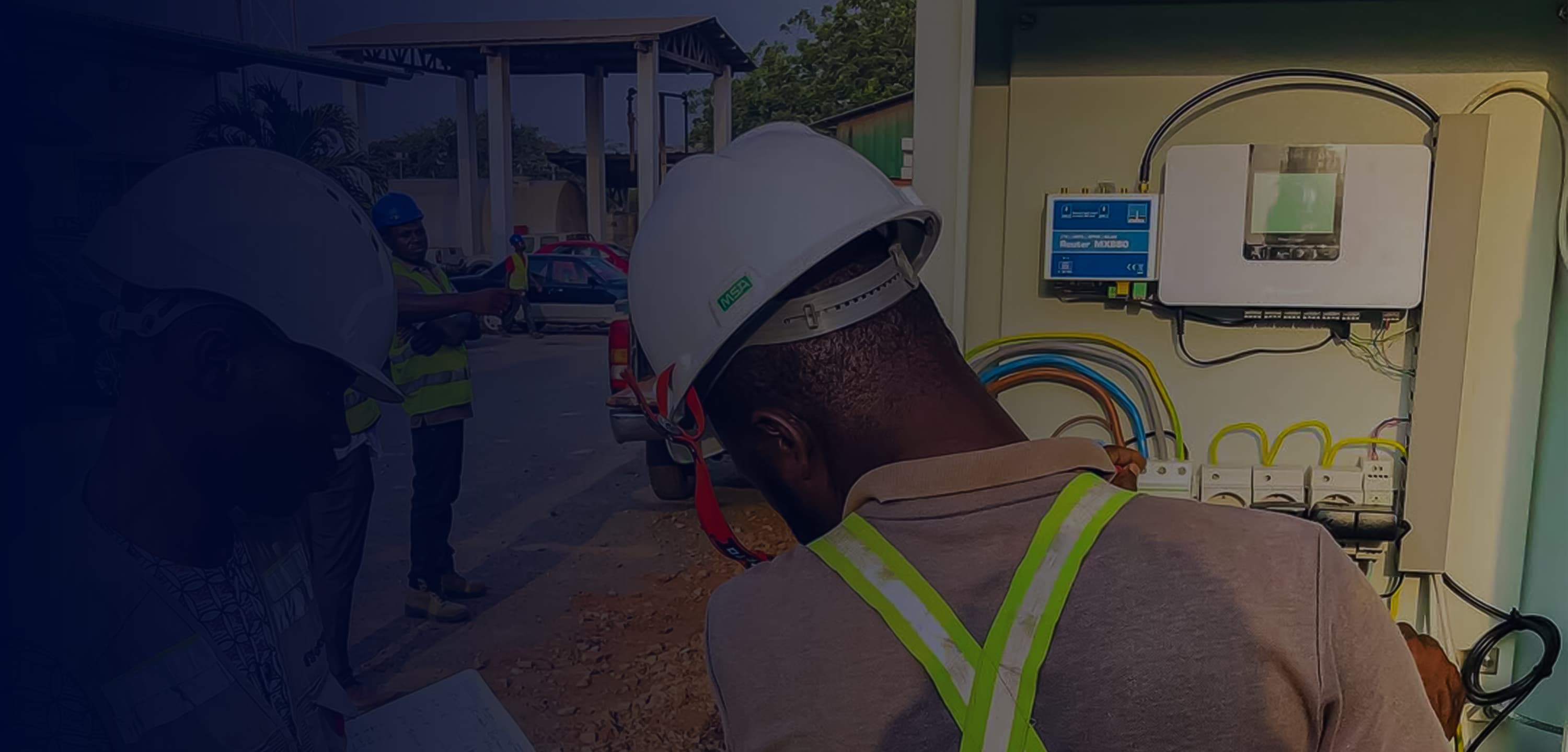
Electrical safety testing and certification have been conducted by regulatory and safety authorities for decades to protect users from electrical hazards. As electrical and electronic technologies continue to evolve, safety standards have been continuously updated to address new risks and operating conditions.
Many manufacturers and facility operators underestimate the importance of electrical safety testing. Electrical shock hazards can range from mild discomfort to fatal injury. Identifying, correcting, and eliminating these hazards is the primary objective of electrical safety testing.
Why Electrical Safety Testing Is Essential
Electrical shock hazards exist when hazardous voltage and current levels are accessible to users or operators relative to earth ground. International safety guidelines recognize that even small currents can be dangerous under certain conditions.
Studies show that the human body can detect electric current at levels as low as 1 milliampere. Because the electrical resistance of the human body varies depending on environmental and physical conditions, voltage levels capable of producing harmful current can differ significantly.
While many consumer devices operate at extra-low voltages, their power supplies and chargers connect to mains electricity and therefore present potential shock hazards if insulation or grounding fails. These components must be tested to confirm safe operation.
When Electrical Safety Testing Is Required
Electrical safety testing is required during manufacturing, installation, commissioning, and periodic inspection. Products and systems must be verified as safe before being released for use to ensure that hazardous voltages or leakage currents are not accessible.
Safety authorities and standards organizations have established electrical safety standards that define acceptable design practices, insulation requirements, leakage current limits, and test methods. Compliance with these standards reduces risk and limits manufacturer and operator liability.
Manufacturers and facility owners are responsible for maintaining accurate records of safety testing and certification. Any changes in materials, design, or manufacturing processes may require re-evaluation and updated certification.
Electrical Safety Tests Performed by MS-Plus Ltd
MS-Plus Ltd uses advanced test equipment designed to meet international safety standards, ensuring accuracy, repeatability, and operator protection during testing.
AC and DC Dielectric Withstand (Hipot) Testing
Dielectric withstand testing applies a controlled high voltage between live conductors and earth or exposed conductive parts. The test verifies insulation integrity by ensuring leakage current remains below allowable limits defined by applicable safety standards.
Leakage Current Testing
Leakage current testing measures unintended current flow through insulation or accessible parts. Limits vary depending on equipment type and application, with particularly strict requirements for medical and sensitive equipment.
Leakage current categories include earth leakage current, enclosure leakage current, and applied-part leakage current, each assessed to ensure user and patient safety.
Insulation Resistance Testing
Insulation resistance testing evaluates the condition of insulating materials by applying voltage and measuring resulting current. Results are expressed in megaohms and help identify insulation degradation caused by heat, humidity, contamination, mechanical stress, or manufacturing defects.
Ground Bond Testing
Ground bond testing verifies that protective earth connections are capable of safely carrying fault current. This ensures exposed conductive parts remain at safe potential during fault conditions.
Advanced Safety Test Capabilities
To improve efficiency and reliability, modern safety test systems support simultaneous ground bond and dielectric testing, automated data capture, and multi-device testing through scanners and multiplexers.
Advanced detection features allow identification of corona discharge, flashover, and insulation breakdown, which can indicate early-stage insulation failure before catastrophic faults occur.
Open and Short Circuit Verification
Open and short circuit checks confirm that the device under test is correctly connected before safety testing begins. This verification improves test accuracy and prevents false results caused by incorrect connections.
Commitment to Safety and Compliance
MS-Plus Ltd is committed to protecting lives, property, and equipment through rigorous electrical safety testing and certification. All testing is documented in detailed reports that support regulatory compliance, audits, and quality assurance programs.
Contact MS-Plus Ltd
For reliable electrical safety testing and certification services in Ghana, contact MS-Plus Ltd. Our expert team ensures your products and installations meet recognized safety standards and operate without risk.