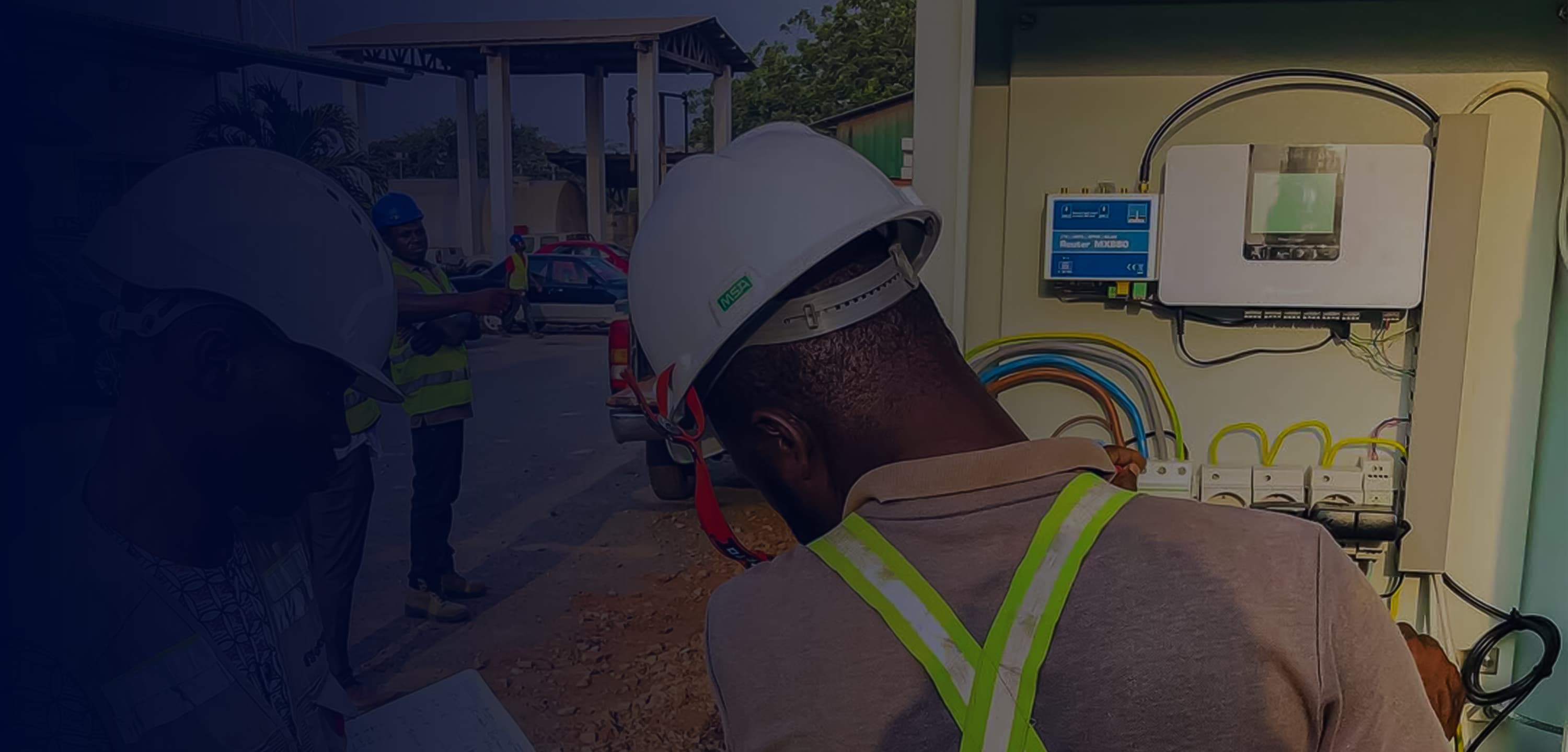
Continuity testing is an electrical test used to verify that current can flow through a circuit. It is performed by applying a small voltage between two or more endpoints of the circuit and detecting current flow using a light, buzzer, or digital multimeter. This test confirms the presence of a complete path and helps identify broken conductors, cold solder joints, or high-resistance connections.
Continuity testing is essential for field applications, wire and cable products, and printed circuit boards (PCBs). Hand-held multimeters with dual probes are commonly used for on-site verification of circuit integrity.
Why Continuity Testing is Done
Regulation 610.1 of BS 7671:2008 (IEE Wiring Regulations Seventeenth Edition) requires that every electrical installation be inspected and tested during erection and on completion to verify compliance. Continuity testing ensures that circuit protective conductors (CPC) and other conductors provide a continuous path, minimizing the risk of electrical shock, fire, or equipment failure.
How Continuity Testing is Performed
- Select the circuit to be tested and disconnect the line conductor from the MCB.
- Temporarily connect the line conductor to the Earth conductor to form a test circuit.
- Select the appropriate low-resistance ohm meter function on the test equipment.
- Null the test instrument by shorting the leads until the display reads zero ohms.
- Measure resistance between Line and Earth terminals at each outlet; record the highest reading as (R1 + R2).
- Return the line conductor to the MCB after testing.
For testing continuity of Circuit Protective Conductors (CPC), a temporary link is made between the line conductor and the CPC in the consumer unit. Measurements are taken at each accessory point (ceiling rose, switch, socket) to ensure low resistance values. The resistance at the circuit extremity represents the sum of line and protective conductors.
Testing Tools and Methods
Digital multimeters in Continuity Test mode provide both visual and audible feedback. A beep indicates a complete path, allowing technicians to test efficiently without constantly monitoring the display. The lowest resistance range should be used for low-resistance connections such as switches or wire joints.
Benefits of Continuity Testing
- Ensures complete and safe electrical paths in circuits
- Detects shorts, open circuits, and high-resistance connections
- Reduces inspection time and human error
- Supports regulatory compliance and safety standards
- Reusable test methods for efficiency and consistency
- Enhances reliability of electrical installations
MS-Plus Ltd provides comprehensive continuity testing services to help businesses, industries, and residential clients maintain safe and fully functional electrical systems, ensuring regulatory compliance and reducing risk of electrical faults.