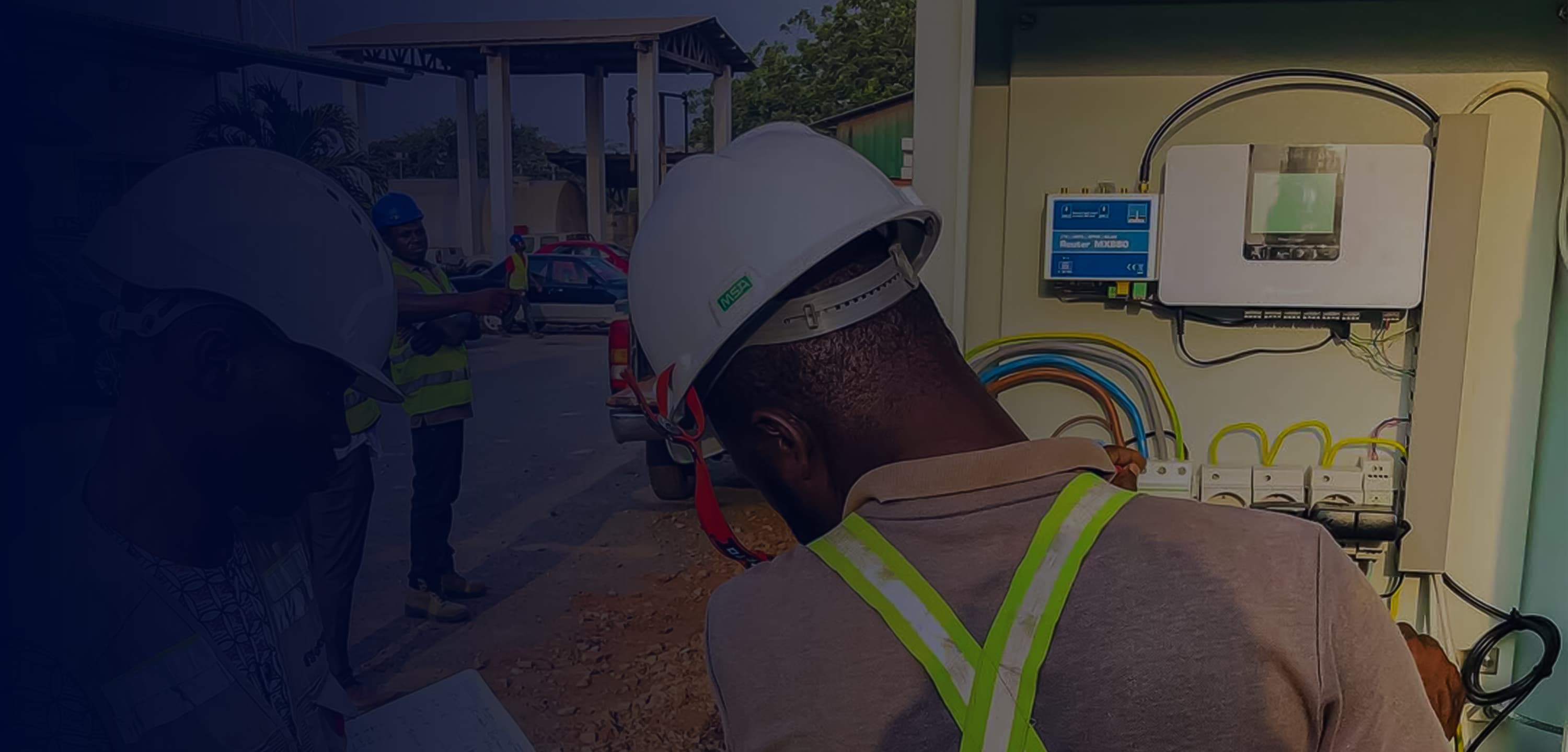
Insulation Resistance Testing, commonly known as Megger Testing, is a diagnostic method used to evaluate the condition of electrical insulation. The test is performed using an insulation resistance meter that applies a controlled DC voltage to determine the resistance between conductive parts. Higher resistance values indicate healthier insulation and reduced leakage current.
Megger testing has been used in electrical engineering practice for over a century. While the core principle remains unchanged, modern testers now offer improved accuracy, enhanced safety features, and ease of operation, making them suitable for both low- and high-voltage applications.
Megger Testing Voltage Levels
Megger testing is a spot insulation test that applies a DC voltage to measure insulation resistance in kilo-ohms (kΩ), mega-ohms (MΩ), or giga-ohms (GΩ). Typical test voltages include 250 Vdc, 500 Vdc, and 1,000 Vdc for low-voltage equipment, and 2,500 Vdc to 5,000 Vdc for high-voltage systems. Although ideal insulation would exhibit infinite resistance, practical systems always show some leakage current due to material properties and environmental conditions.
Why Insulation Resistance Testing is Important
The insulation quality of electrical systems deteriorates over time due to ageing, temperature variations, humidity, moisture ingress, dust contamination, and electrical or mechanical stress. Regular insulation resistance testing is essential to identify degradation early, prevent electric shock hazards, and reduce the risk of fire or catastrophic equipment failure.
Megger testing is also commonly required after fire incidents to verify the integrity of wiring systems before re-energisation. In such cases, test results are often requested by insurance providers and local authorities to confirm that electrical installations remain safe for continued use.
Scope of Megger Testing by MS-Plus Ltd
MS-Plus Ltd conducts Megger testing on motors, transformers, generators, cables, switchgear, and complete electrical installations. The test identifies excessive leakage current, insulation deterioration, moisture contamination, and winding faults, allowing targeted repairs or replacements to be carried out before failures occur.
Megger Testing Procedure
- Isolation and disconnection of all line and neutral terminals prior to testing
- Measurement of insulation resistance between high-voltage and low-voltage windings
- Measurement of insulation resistance between windings and earth
- Verification of insulation condition against acceptable minimum values
A commonly applied acceptance guideline for minimum insulation resistance is calculated using the formula: IRmin (MΩ) = kV + 1, where kV represents the rated service voltage. In many healthy systems, measured values significantly exceed this minimum requirement.
Working Principle of a Megger Tester
Megger testers generate a DC test voltage either mechanically, through hand operation, or electronically using internal batteries. The applied voltage produces a measurable current through the insulation under test. The resulting resistance is determined by comparing voltage and current, with pointer or digital indication reflecting insulation condition.
When the circuit under test is open and insulation is sound, the instrument indicates very high resistance. In the presence of insulation breakdown or short circuits, resistance values drop significantly, signalling unsafe conditions.
Benefits of Megger Testing
- Early detection of insulation deterioration
- Reduced risk of electrical shock and fire
- Improved reliability of power systems
- Predictive maintenance and repair planning
- Extended service life of electrical assets
- Support for asset management and compliance requirements
Safety Precautions During Megger Testing
At MS-Plus Ltd, safety is treated as a critical priority during all insulation resistance testing activities. Strict safety procedures are followed to protect personnel and equipment during testing.
- Megger testing is performed only on high-resistance measurements such as insulation systems
- All circuits are fully de-energised and discharged before test connections are made
- Equipment under test is isolated from other circuitry wherever practicable
- Test leads are never handled while test voltage is applied
- Testing is carried out by trained and competent personnel using calibrated equipment
By applying disciplined testing procedures and strict safety controls, MS-Plus Ltd ensures accurate insulation resistance assessments while maintaining safety at all times.